Hello there,
Let’s find our direction.
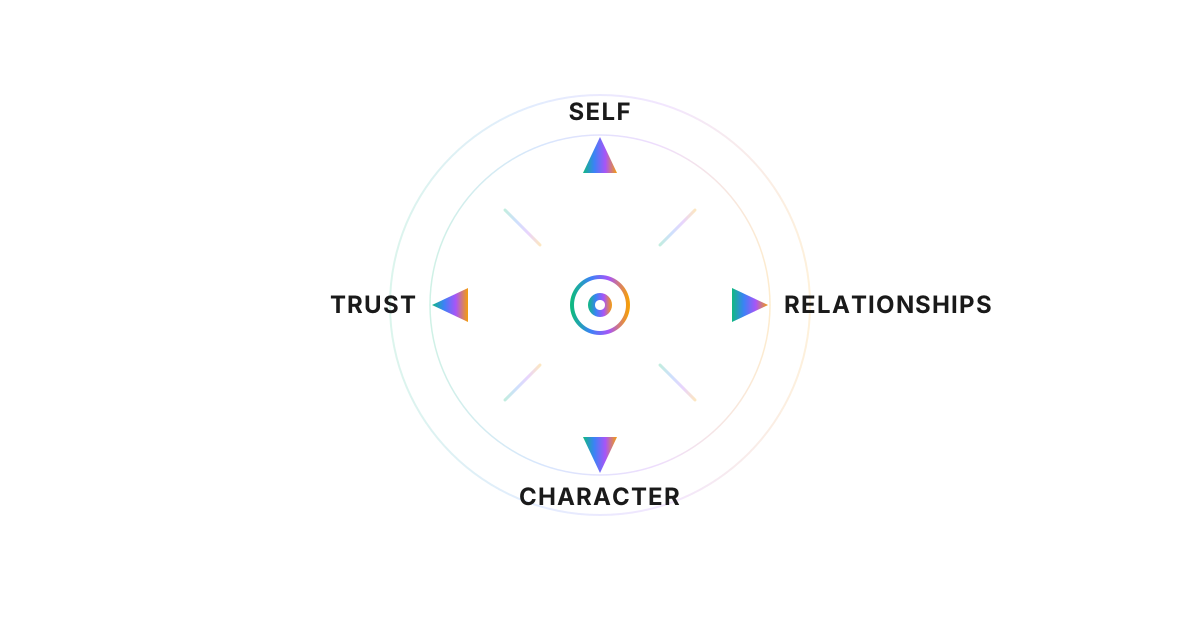
Starting with this issue, I’ve decided to pivot the newsletter format a bit. Instead of leading with a general topic, I’ll take a topic and offer insights through the four directions of Modern Compass: Self, Trust, Relationships, and Character. Some months will go deep, others may stay light depending on the topic, but every issue will show the framework in action.
The first topic: Legacy.
Not to be morbid, but I’ve had a short chapter on mortality and legacy sitting in my drafts for a while. Over time I realized it didn’t really belong in Modern Compass book, but I still wanted to explore legacy with readers so I decided to do it here.
Many things spawned the idea of writing this short chapter it last year. My dad passing the prior year, a family friend my age getting ALS and passing, and I’d be lying if the thought of legacy wasn’t a small motivator in writing this book. To refresh ourselves, legacy is what we leave behind for the people whose lives we touched. We don’t always get to experience that legacy, sometimes we get a glimpse of it. Also, it’s worth calling out, legacy isn’t only for people with kids. Anyone who has impacted a friend, mentored a colleague, or shaped how someone else sees the world is already building one.
So how do we figure out what we want to leave behind as part of your legacy?
What legacy can look like
Legacy falls into two categories: what you built and who you are.
Built legacy is intentional. Writing letters, passing down a skill, creating a trust, starting a family tradition, recording stories. These take effort and planning, and they’re what many people think of when they hear the word legacy.
Relational legacy is different. It’s how people experienced you through your character, the way you showed up in interactions, the feeling they carried after spending time with you. For example, the family friend of mine that passed from ALS last year. I only saw him once or twice a year, but every interaction left the same impression: kind and genuine. So you can see that legacy extends to anyone whose life you’ve touched: friends, coworkers, mentees, and neighbors.
Most of us fixate on built legacy because it feels tangible and measurable. But relational legacy, the kind that forms through who you are rather than what you create, is often what people actually remember and talk about when you’re gone. Not to mention, relational legacy can amplify built legacy. Like a family tradition that feels important because the person who started it meant so much to you.
Here are a few ways to think about it from a Modern Compass lens:
Self
Reflect inwards and think of what you have to offer. If you’re unsure, consider some of these: writing letters that share wisdom or encouragement, passing down a skill or tradition that shaped you, recording stories or a life tour in your own voice, curating a playlist or book list of things that mattered to you, starting a tradition or annual gathering, writing a short life philosophy covering what you believe and why, or gifting meaningful items with personal notes explaining their significance.
Trust
Trust that your presence matters for those you hold dear, because some can build a legacy solely through kindness. If you’re fortunate to leave behind assets, find stewards who will respect what you stood for, not exploit it.
Relationships
Think of the relationships you want to leave a legacy for. What would they value most and how could you take that into account?
Be mindful that, what they may want from you most is simply your time and presence.
Character
Character is made up of your actions, effort, and integrity. If you’re actively building a legacy, ask whether those actions and effort aligns with what the people closest to you actually want. A parent hustling to leave their kids a trust fund is noble, but not if the relationship suffered from never being around.
Activity
Pick one person you want to leave a legacy for. Ask yourself:
- What do I have to offer them? (Self)
- Do I trust that my presence matters to them? (Trust)
- What do they value most in our relationship (Relationships)
- Do my actions effort, and integrity reflect the legacy I want to leave? (Character)
How Was This Issue?
Did this topic or activity spark any insights for you? I’d love to hear how it landed! Share your thoughts here: Survey Link or reply to the email.
Modern Compass Book Update
- Quick update on book progress: I am rounding the corner on finishing a chapter by this weekend and will have 2 left to go. I’m really glad I set that deadline for myself on a manuscript assessment with editor for 04/01 because I’m sure I would have let it take longer had I not. Funny how deadlines will make you find a way to get things done in a shorter time.
- Once I have the full manuscript in a word doc by April, any of my newsletter subscribers can get full access to the initial draft of the book as Beta readers.
Always…Follow Your Compass!
📩 Like this issue? Share it with a friend who’d enjoy it!
📌 Subscribe here: Newsletter Signup Link